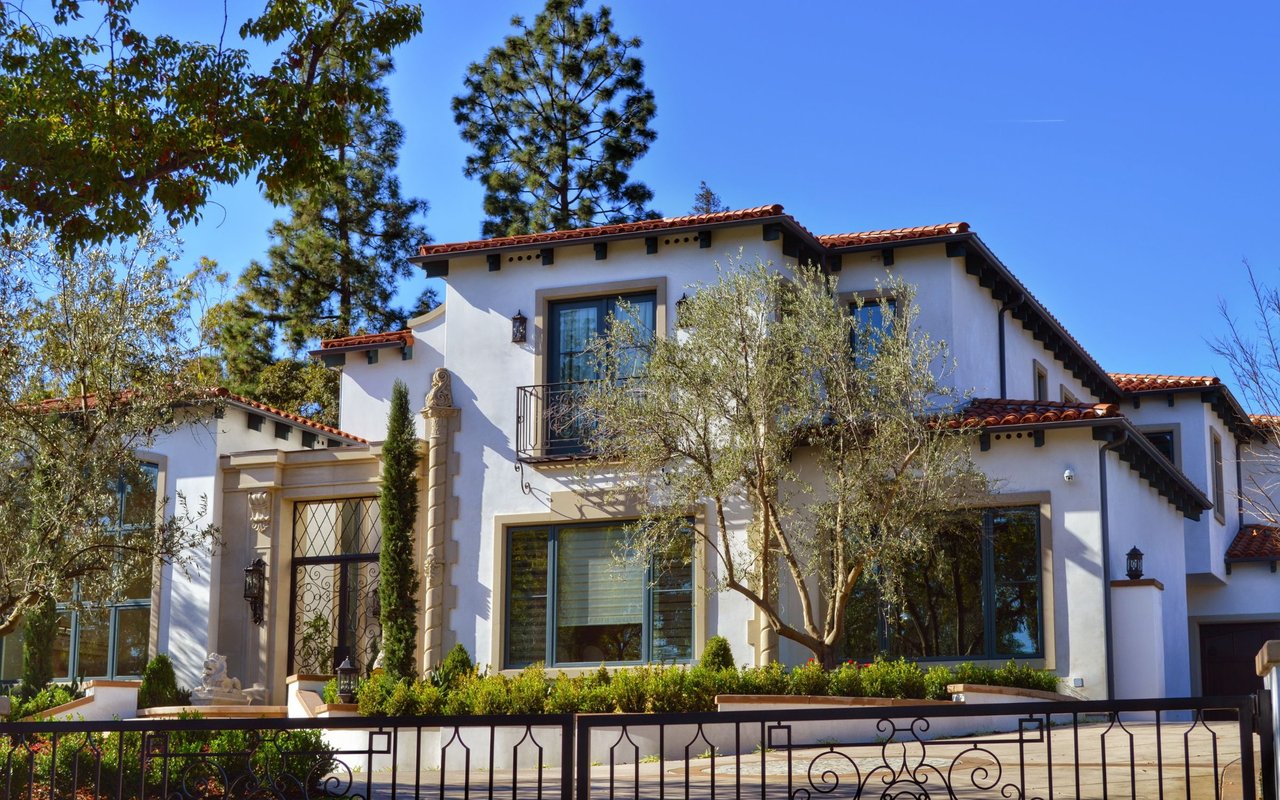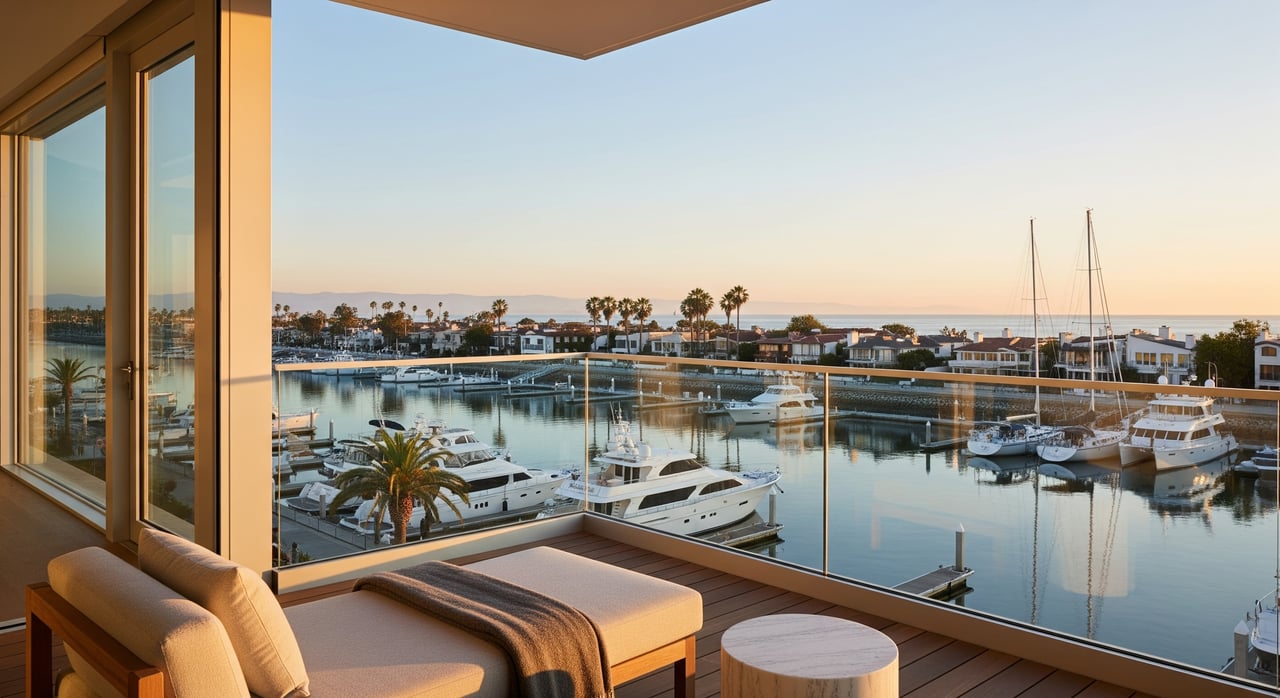
Is the waterfront lifestyle calling, but you are torn between a condo and a house in Marina del Rey? You are not alone. This coastal pocket offers two very different paths to the same postcard views and Westside convenience. In this guide, you will compare costs, risk, lifestyle, and resale factors so you can choose with clarity. Let’s dive in.
Marina del Rey at a glance
Marina del Rey is an unincorporated community of Los Angeles County, with coastal facilities overseen by the County’s Department of Beaches & Harbors rather than the City of Los Angeles. You are minutes from LAX, Venice Boardwalk, and major Westside employers. The area is known for mid-rise and high-rise condos with harbor access and views, plus a mix of townhomes. Detached single-family homes are limited in the marina itself, which is why many house hunters also consider nearby Venice, Playa del Rey, and Mar Vista.
Condo pros and cons
Why a condo may fit
- Lower entry price compared to nearby detached homes, especially for interior or non-waterfront units.
- Shared amenities like security, concierge, fitness centers, pools, and package rooms.
- Lower day-to-day maintenance. Exterior care is handled by the HOA and covered in dues.
- Walkable access to the harbor promenades, dining, bike paths, and water activities.
Where condos demand extra care
- Monthly HOA dues can be significant in amenity-rich waterfront buildings.
- Building health matters. Reserves, special assessments, litigation, and rental policies affect value and financing.
- Some projects may be non-warrantable for conventional loans, which can affect rates and options.
- Storage and parking can be tight. Rules may limit gear and boat storage.
House pros and cons
Why a house may fit
- More space, privacy, and control over the property, including yards and garages.
- No shared walls and more flexibility for modifications, subject to zoning.
- Strong resale appeal due to scarcity of detached homes near the marina.
- Better on-site storage and parking capacity for beach and boating gear.
Where houses demand extra care
- Higher purchase prices in and around the marina due to limited land and supply.
- All maintenance is on you. Roof, exterior, landscaping, and systems add ongoing costs.
- Insurance premiums may be higher in coastal zones.
- Walkability can vary if you branch into nearby single-family neighborhoods.
Cost comparison essentials
Purchase price and scarcity
Condos span a wide price range, from efficient interiors to luxury waterfront residences. Detached houses near the marina are scarce and typically command a premium per square foot. In some cases, high-end condos approach house-like pricing, especially with water views.
Property taxes in California
California’s base property tax is about 1 percent of the assessed value. Local assessments often bring the effective rate into the 1.1 to 1.4 percent range, depending on the parcel. Proposition 13 limits assessed value increases for existing owners until the next sale or transfer, which is why two neighbors can have different tax bills.
HOA dues vs private maintenance
Condos shift many exterior costs into predictable monthly dues that often cover common areas, building insurance on the structure, landscaping, staffing, and sometimes water or gas. Houses skip the HOA fee in many cases, but you take on all exterior maintenance, repairs, and replacements. Over several years, big-ticket items like roofing, painting, or hardscape can exceed what some owners would have paid in condo dues.
Insurance considerations
- Condos: You typically carry an HO-6 policy for interior coverage and personal property, while the HOA’s master policy insures the building exterior and common areas. Review whether the master policy is all-in or bare-walls and understand deductibles.
- Houses: You carry a full HO-3 or HO-5 policy. Coastal exposure can mean higher premiums than inland areas.
- Earthquake insurance is separate for both. Flood insurance is required by lenders for properties in FEMA Special Flood Hazard Areas.
Utilities and operating costs
Condos often include some utilities, like water or trash, in the dues. You usually pay for electricity and internet separately. Houses put you on the hook for all utilities, and larger systems like pools or irrigation can add to monthly costs.
Risk and insurance factors
Coastal flood exposure and sea-level considerations
Low-lying parcels near the marina can be vulnerable to flooding, storm surge, and long-term sea-level rise. If the property is in a Special Flood Hazard Area, lenders typically require flood insurance. It is wise to understand the site’s elevation and historical flooding patterns before you buy.
Earthquake and liquefaction
The Marina del Rey and Venice areas include land with higher liquefaction potential. For both condos and houses, pay attention to foundations, any seismic retrofits, and known soft-story requirements for multiunit buildings. Ask whether a building has completed required retrofits and how those costs were funded.
Insurance availability
Coastal location and seismic exposure can influence coverage and cost. Get quotes early in your search so you can compare true monthly numbers side by side.
Lifestyle trade-offs to weigh
Water, boating, and access
Many marina-adjacent condos offer quick walks to docks and waterfront paths, with occasional deeded or leased boat slips in certain communities. Slips are limited and may involve waitlists or transfer restrictions. Detached homes rarely include direct slip access unless located on specific channels, so confirm options if boating is central to your lifestyle.
Privacy versus convenience
Condos deliver convenience, lock-and-leave simplicity, and built-in amenities. Detached homes offer private outdoor space and control. Consider your daily routine. Do you value a quiet yard and workshop, or do you prefer a secure building with package rooms and an elevator?
Noise and tourism
Harbor events, nightlife, and seasonal tourism can add energy and noise to certain blocks. Upper-floor condos can provide separation from street activity, though harbor activity still carries. Single-family homes on quieter streets may offer more insulation from visitor traffic.
Parking and storage reality
Condos typically include assigned garage spaces. Confirm the number, size, guest parking rules, and any permit requirements for nearby streets. Houses usually give you a driveway and garage, plus yard space for gear. If you have bikes, paddleboards, or boating equipment, map out where everything will go before you buy.
Financing and resale
Loanability checks
Condo financing depends on the project’s warrantability. High investor ratios, low reserves, litigation, or delinquent dues can limit conventional loan options or affect rates. If you plan to use FHA or VA financing, ask early whether the community is approved. Single-family homes generally pose fewer financing hurdles, though condition and appraisal still matter.
Resale dynamics
Condos can be sensitive to HOA reputation, reserves, assessments, and rental rules. Strong governance and well-funded reserves support values. Houses near the marina often appeal to a broad buyer pool due to scarcity and land value, though limited comps can make pricing more nuanced.
Smart due diligence steps
Use this checklist to compare specific properties side by side. A few hours of verification now can save you thousands later.
Budget and monthly carrying costs
- Estimate mortgage payment at your target price range.
- For condos: add HOA dues and confirm what is included, plus evaluate the risk of special assessments.
- For houses: plan an annual maintenance reserve for exterior, roof, landscaping, and systems.
- Estimate property taxes based on the purchase price and typical local assessments.
Insurance and natural hazards
- Get quotes for HO-6 or HO-3/HO-5 policies and optional earthquake coverage.
- Check flood zone status and lender requirements for flood insurance.
- Ask about salt-air corrosion impacts for waterfront buildings.
HOA health for condos
- Review the reserve study, budget, financials, and meeting minutes from the last 12 to 24 months.
- Read CC&Rs and bylaws. Note pet policies, rental limits, and short-term rental rules.
- Check for pending litigation, delinquency rates, and any announced special assessments.
Building and system condition
- Condos: review the building envelope, roof, windows, decks, elevator status, plumbing, waterproofing, and seismic retrofits.
- Houses: inspect foundation, roof, drainage, HVAC, and any shoreline or seawall elements.
- Consider an engineer’s review for properties on fill or with suspected foundation movement.
Parking, storage, and lifestyle
- Confirm deeded parking spaces, size, and guest policies for condos.
- For houses, verify on-site parking, any easements, and nearby permit zones.
- If boating matters, confirm slip availability, costs, and transfer terms.
Rental or income plans
- Verify HOA rules for rentals and short-term rentals, plus applicable county or local ordinances.
- If you plan to rent, estimate market rents and vacancy based on current local data.
Which is right for you
Choose a condo if you want a lower-maintenance, walkable, amenity-rich lifestyle near the water and you are comfortable with HOA fees and governance. Choose a house if you prioritize privacy, storage, and control, and you are willing to take on maintenance responsibilities for long-term upside. Your sweet spot often comes down to total monthly cost, risk tolerance for assessments or major repairs, and how you want to live day to day.
If you want a grounded plan, we will help you run an apples-to-apples cost comparison, review HOA health, and pressure-test insurance and financing before you write an offer. For investors, we can also discuss leasing and management considerations so your purchase aligns with cash flow goals.
Ready to compare real properties and get clear on the right fit for your lifestyle or investment plan? Schedule a personalized consultation with Adamson Properties. We combine local expertise with hands-on service to help you buy with confidence.
FAQs
Do I need flood insurance in Marina del Rey?
- It depends on the property’s FEMA flood zone; lenders typically require flood insurance for homes or condos in Special Flood Hazard Areas, so check the specific parcel.
Are HOA fees worth it for waterfront condos?
- They can be, if you value security, amenities, and predictable exterior maintenance; just review reserves, budgets, and any pending assessments to understand the true cost.
How hard is it to finance a Marina del Rey condo?
- It depends on the project’s warrantability, reserves, owner-occupancy ratios, and litigation status; confirm with your lender early, especially if you need FHA or VA options.
How big is the single-family home premium near the marina?
- Detached houses are limited in supply and often carry a significant premium over typical condo pricing; compare current comps and lot-specific features to quantify it.
Can I keep a boat if I buy a condo?
- Some communities offer deeded or leased slips, but availability is limited and terms vary; verify slip access, transfer rules, and waitlists before you commit.
Who sets local rules in Marina del Rey?
- Marina del Rey is under Los Angeles County jurisdiction, including the Department of Beaches & Harbors, and HOA documents may add further rules for individual buildings.